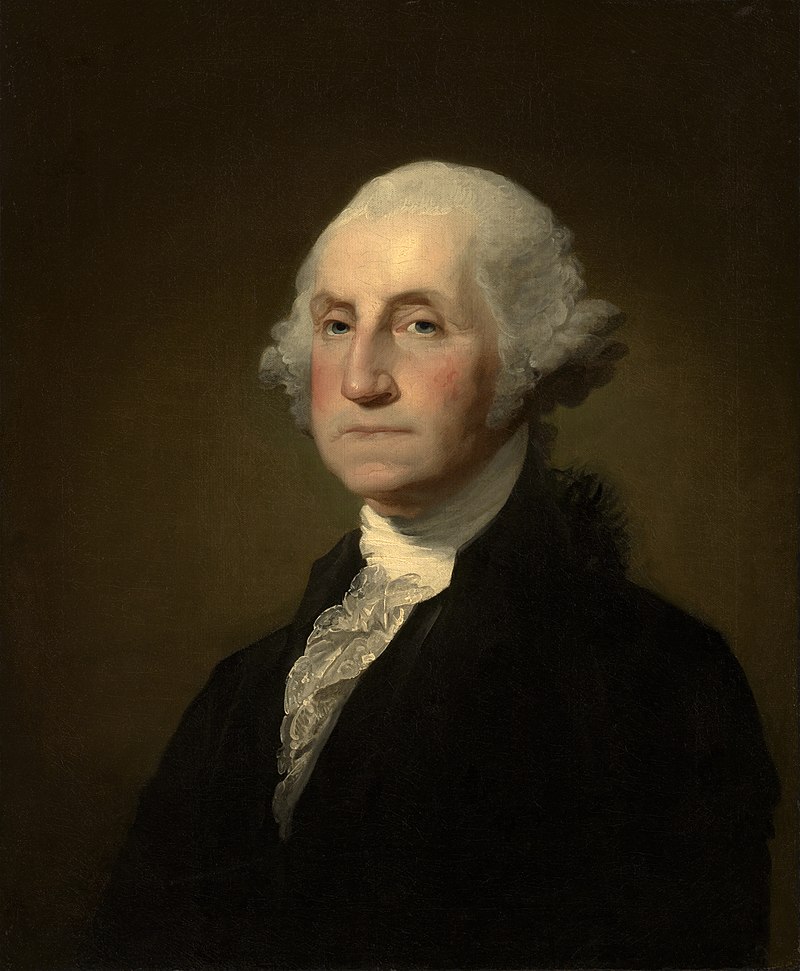
About George Washington: The First President of the United States
George Washington, a name synonymous with leadership, courage, and the birth of a nation, stands as an iconic figure in world history. Revered as the "Father of His Country," he played a pivotal role in shaping the United States. This blog delves into the life and legacy of George Washington, offering a detailed overview of his contributions and the indelible mark he left on the world.
Early Life of George Washington
Born on 22 February 1732 in Westmoreland County, Virginia, George Washington hailed from a family of modest wealth. His father, Augustine Washington, was a planter, and his mother, Mary Ball Washington, was instrumental in his upbringing. Despite limited formal education, George Washington displayed remarkable intelligence and a keen sense of responsibility.
During his early years, Washington worked as a surveyor, a profession that acquainted him with the vast wilderness of the American colonies. His experiences as a surveyor helped him develop skills in mapping and leadership, which later proved invaluable in his military career.
Military Career: The Making of a Leader
The military journey of George Washington began during the French and Indian War (1754–1763), where he served as a young officer. His bravery and strategic acumen earned him recognition, but it was his role in the American Revolutionary War (1775–1783) that truly cemented his legacy.
As the commander-in-chief of the Continental Army, George Washington led his troops against the British forces. His leadership during the harsh winter at Valley Forge and the decisive victory at Yorktown in 1781 demonstrated his resilience and ability to inspire his men. These efforts were instrumental in securing American independence, making "About George Washington" a central chapter in the story of the United States.
George Washington and the Constitution
After the war, the newly independent United States faced the daunting task of nation-building. Recognising the need for a strong federal government, George Washington presided over the Constitutional Convention in 1787. His role in shaping the Constitution underscored his commitment to creating a democratic framework for the nation.
The Constitution became the bedrock of American governance, and George Washington's influence ensured its adoption. His ability to mediate conflicts and unite diverse factions was a testament to his statesmanship.
The First Presidency: A Legacy of Leadership
In 1789, George Washington was unanimously elected as the first President of the United States, a role he held for two terms (1789–1797). As president, he established several precedents that continue to guide the office today. These include forming a cabinet, delivering an inaugural address, and promoting neutrality in foreign affairs.
During his presidency, Washington focused on strengthening the young nation. His administration oversaw the establishment of the first national bank, the implementation of a tax system, and the creation of a strong judiciary. His Farewell Address, in which he warned against political factions and foreign alliances, remains a guiding document for American leaders.
Personal Life of George Washington
Beyond his public achievements, George Washington was also a devoted family man. He married Martha Custis in 1759, a union that brought stability and wealth into his life. Though they had no children of their own, George Washington cared deeply for Martha’s two children from her previous marriage.
Mount Vernon, his plantation in Virginia, was his cherished retreat. He took a personal interest in agriculture and innovations in farming, reflecting his deep connection to the land.
Challenges and Controversies
While George Washington's legacy is largely celebrated, it is not without its complexities. As a plantation owner, he was a part of the system of slavery. However, towards the end of his life, he expressed his opposition to slavery and made provisions in his will to free the enslaved people on his estate after Martha's death.
This aspect of "About George Washington" highlights the dichotomy in his character and the evolving perspectives of the time.
Death and Legacy of George Washington
George Washington passed away on 14 December 1799 at Mount Vernon due to a throat infection. His death was a national tragedy, and tributes poured in from across the country and the world.
Today, his legacy endures through monuments, institutions, and countless biographies. The capital city of the United States, Washington, D.C., stands as a testament to his enduring impact.
Conclusion 
"About George Washington" is not merely a historical account but a story of vision, perseverance, and leadership. From his humble beginnings to becoming the first President of the United States, his life continues to inspire generations. His contributions laid the foundation for a nation built on democratic values and principles.
Through his leadership in war, governance, and personal integrity, George Washington remains a beacon of what it means to serve one's country selflessly. The story of George Washington is, indeed, the story of America itself.
Disclaimer: This article is for informational purposes only and may not be entirely accurate.
I hope this article is helpful!

No comments:
Post a Comment